Dhaka · UTC+6
AfifAlamgir
Full-stack & AI engineer
I build SaaS platforms, CRMs and AI pipelines, from the Postgres schema to the interface.
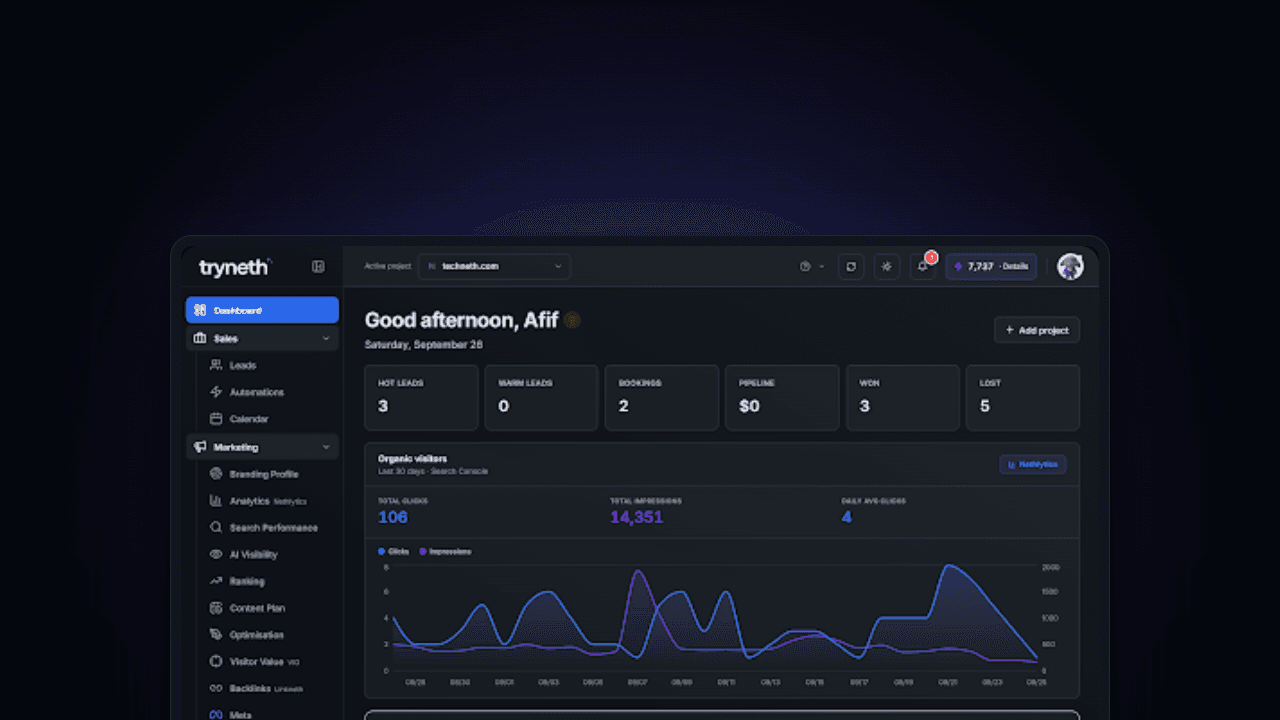
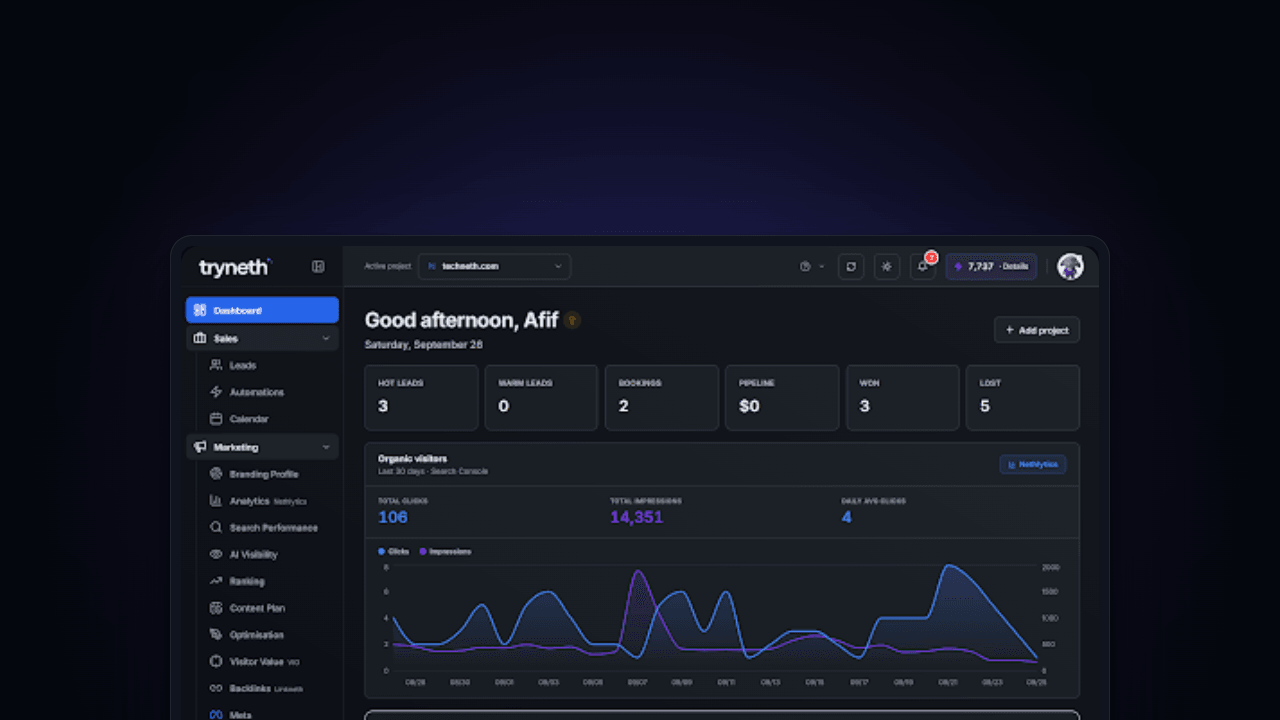


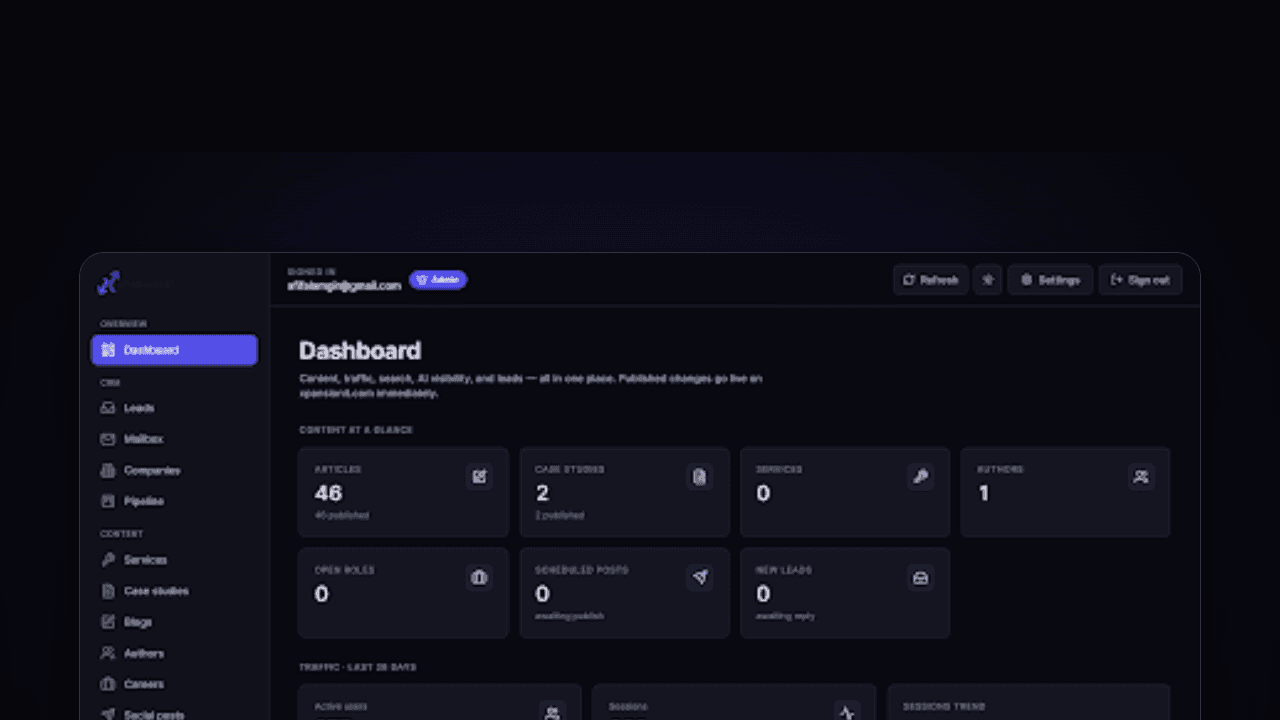
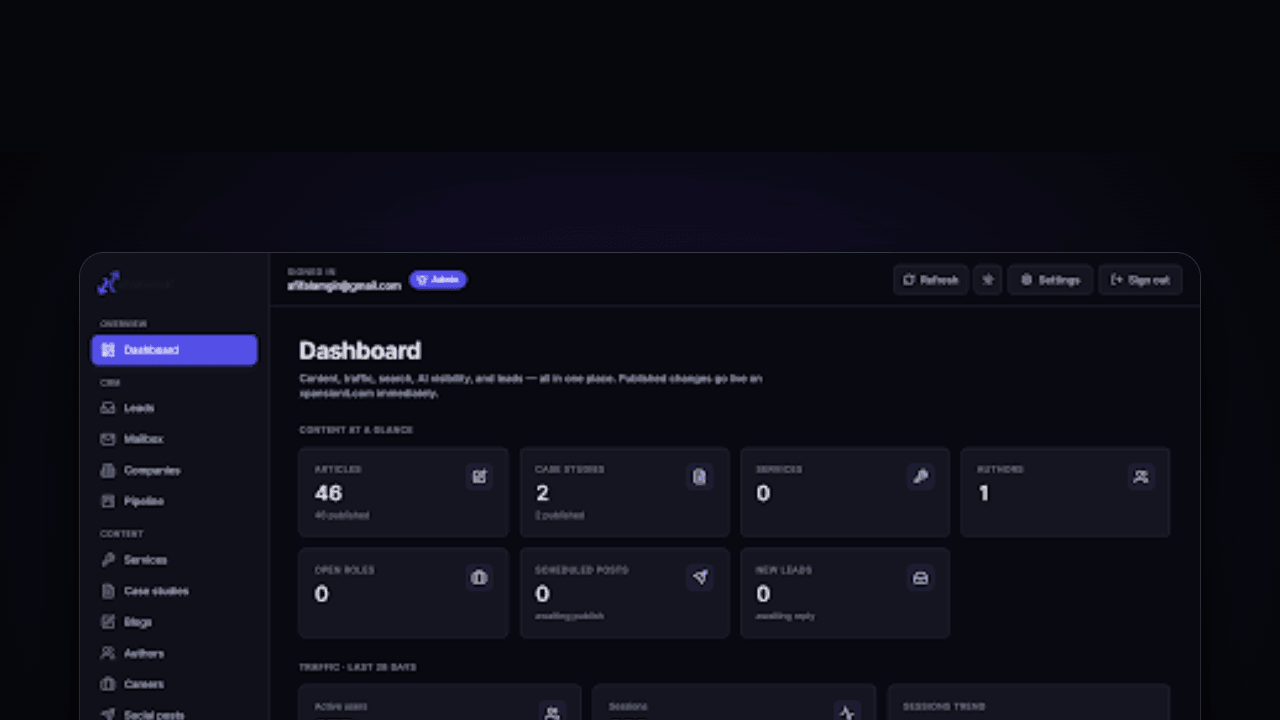
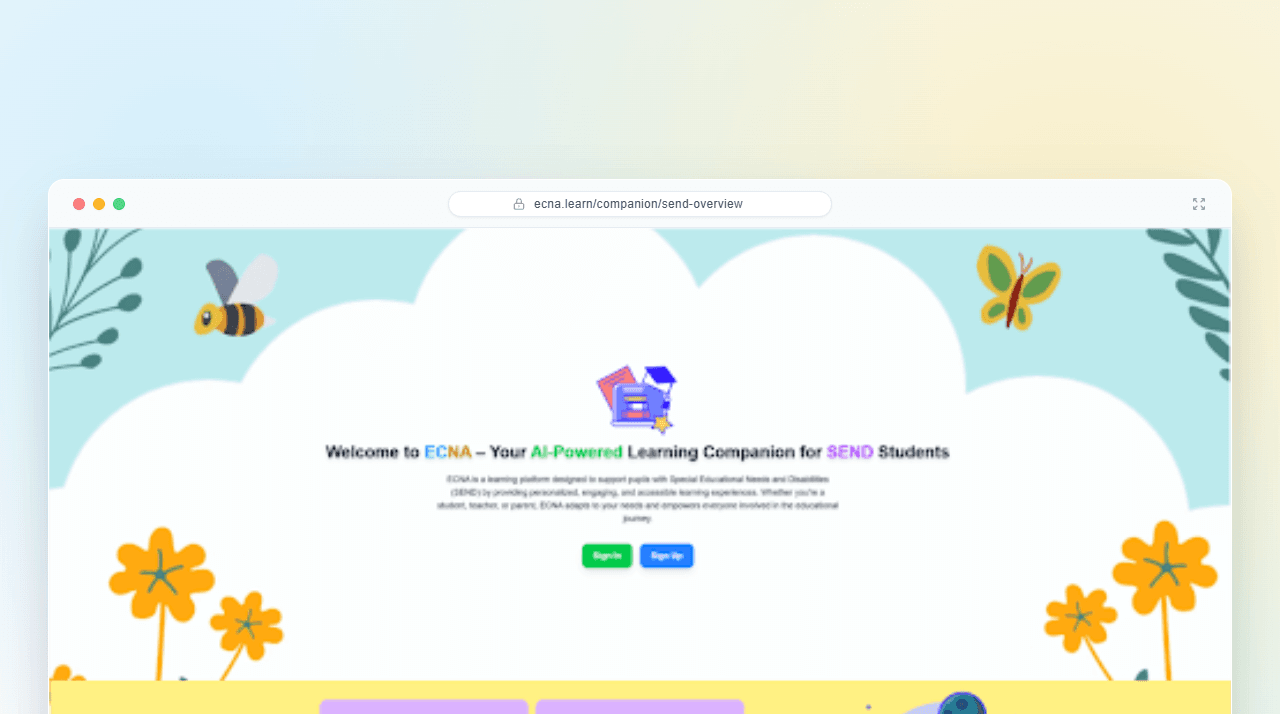


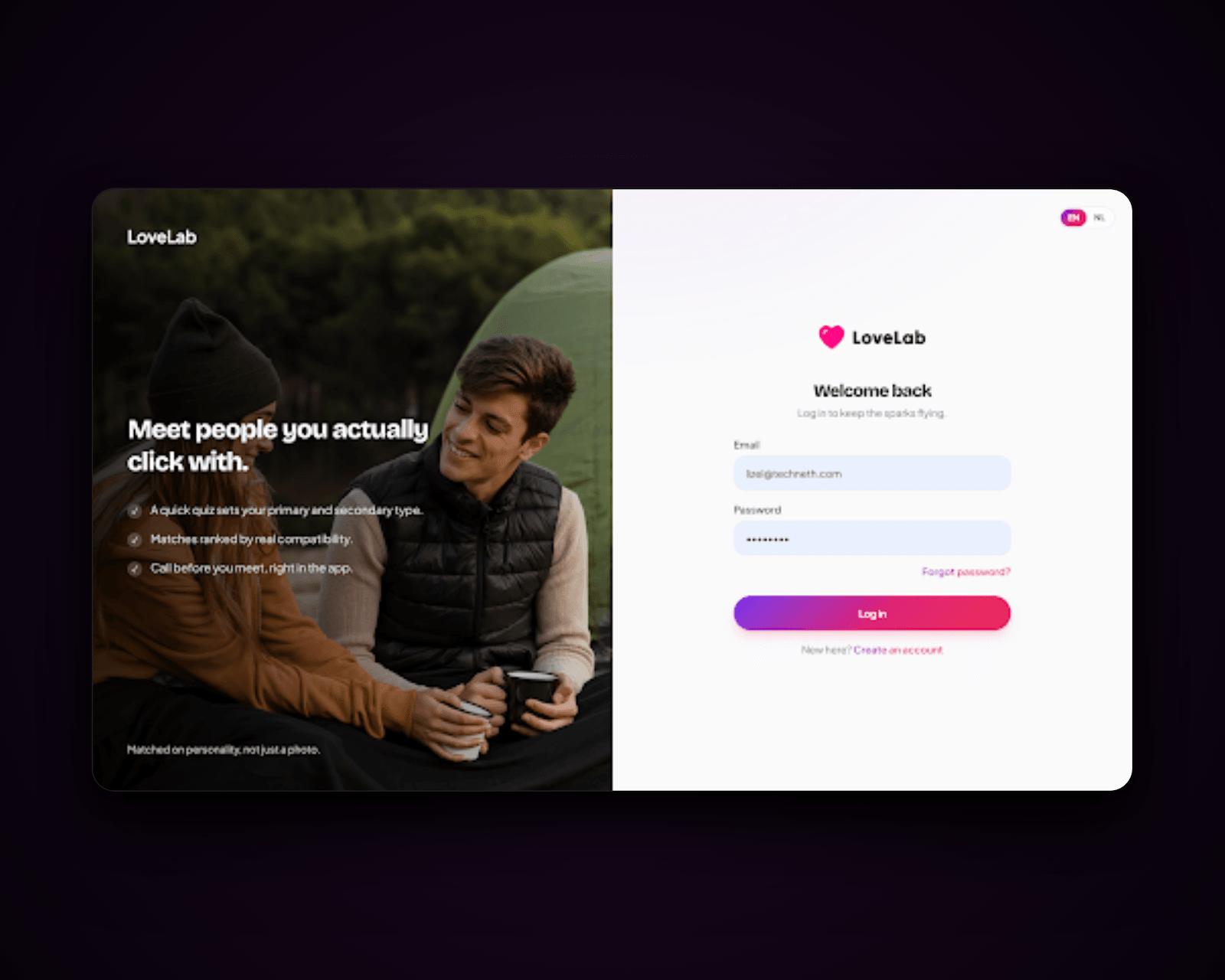


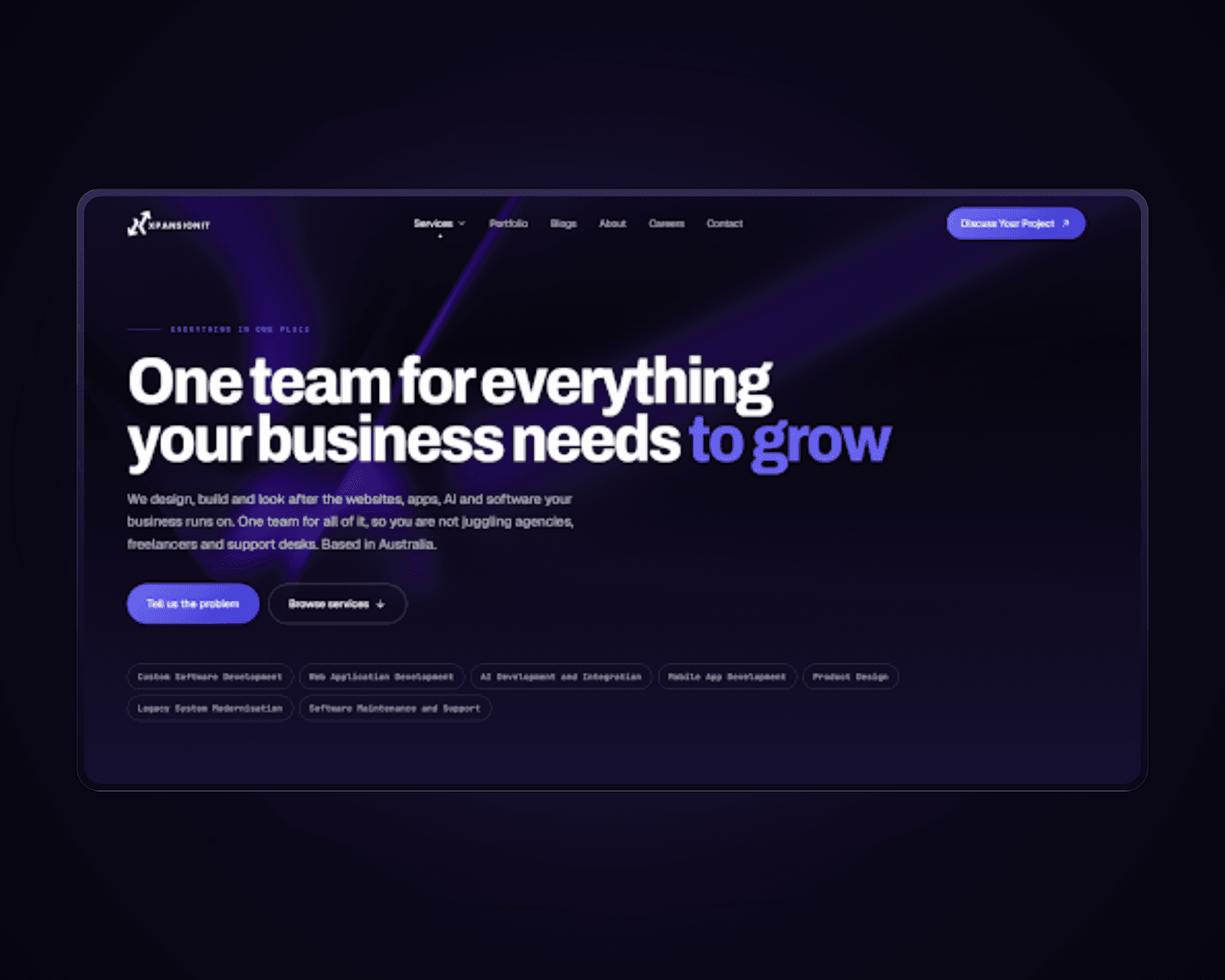
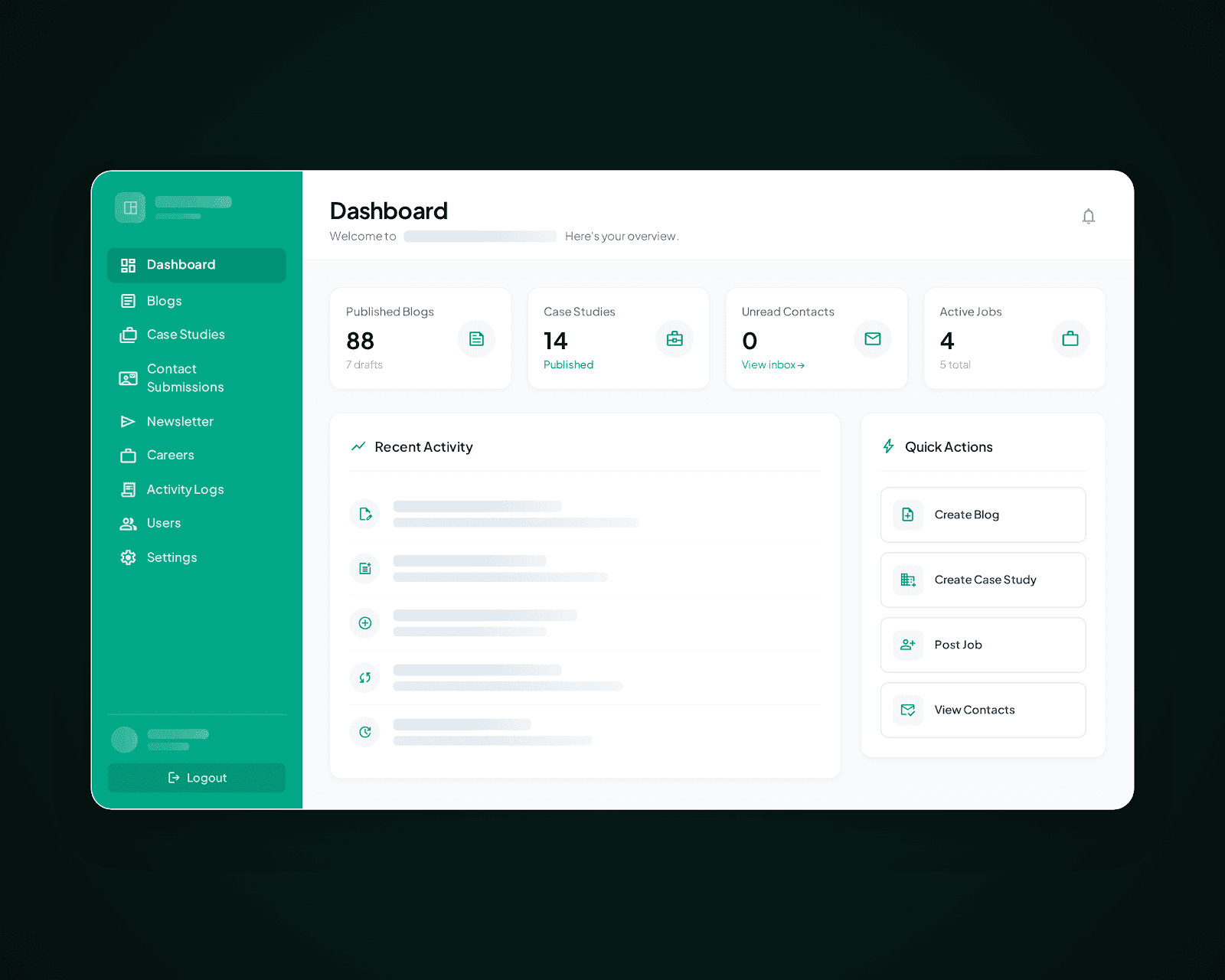
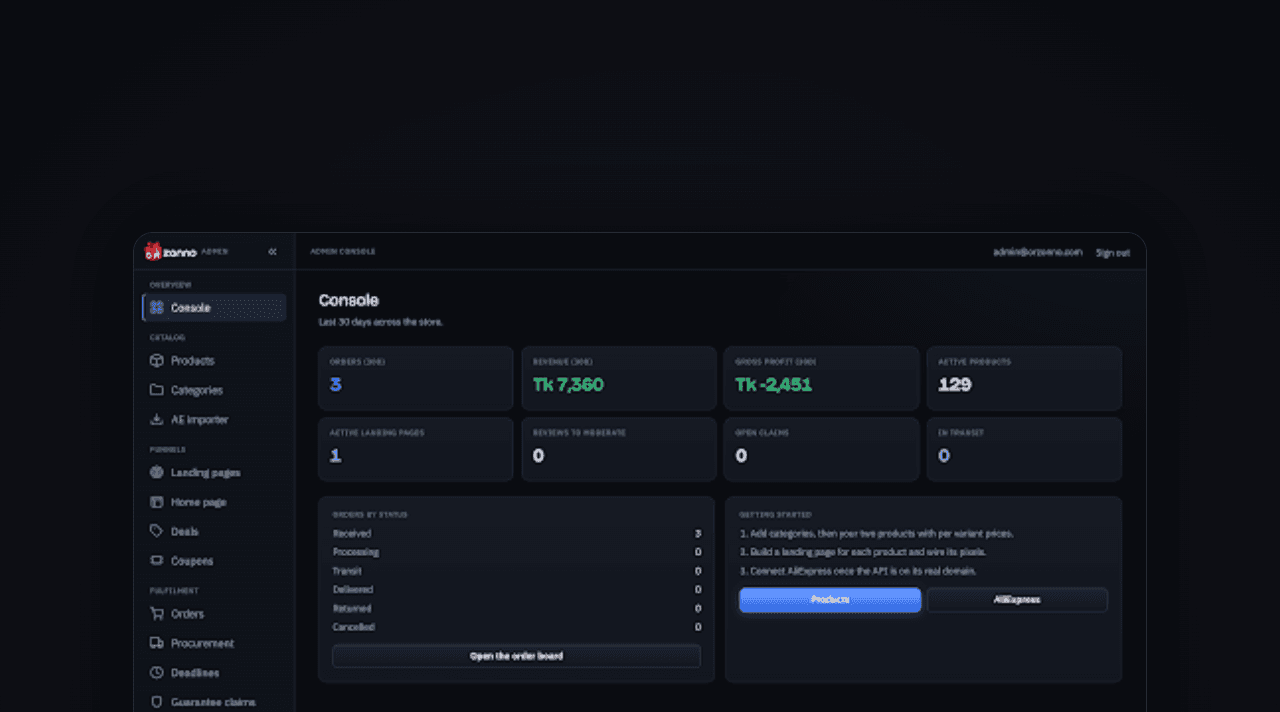
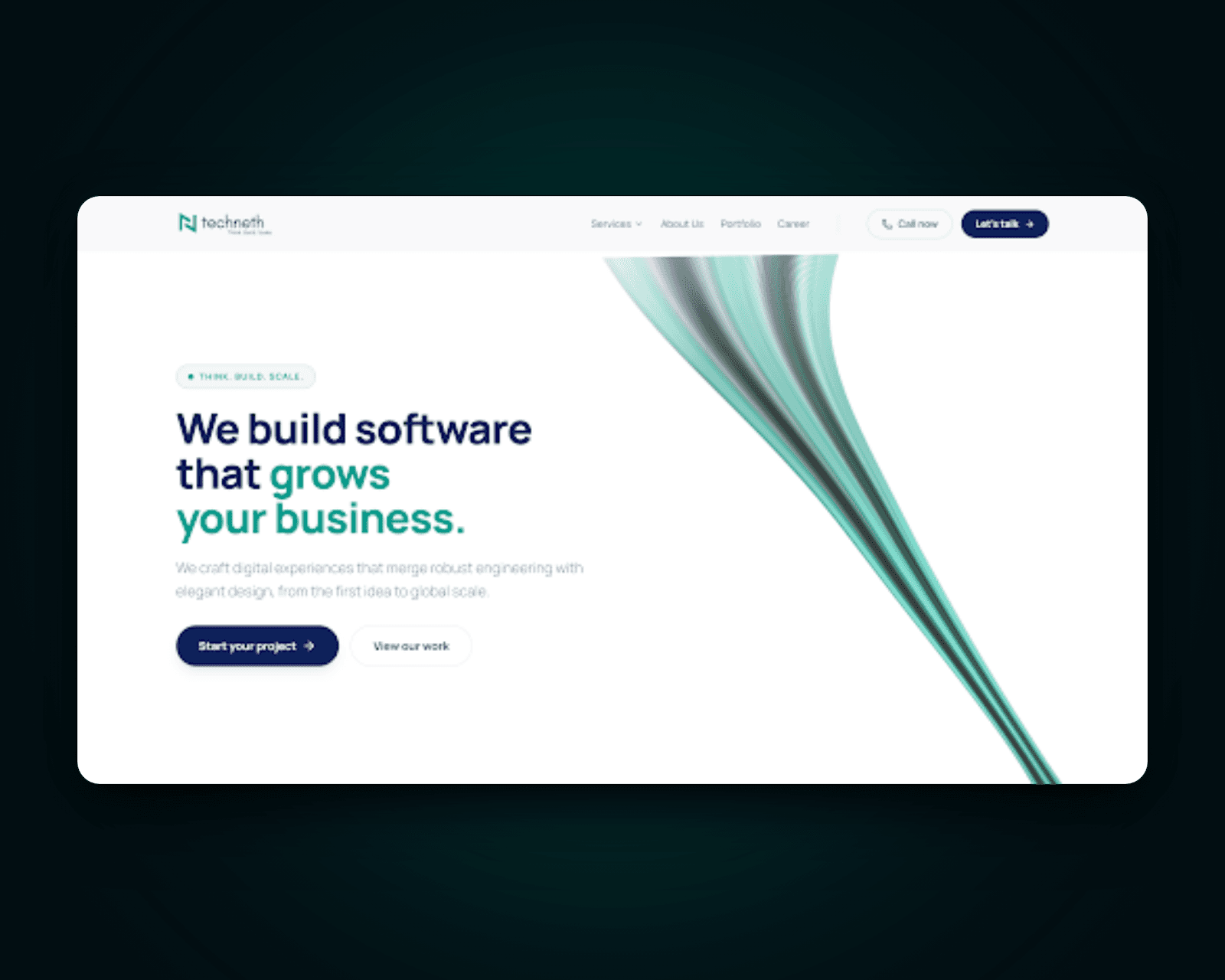
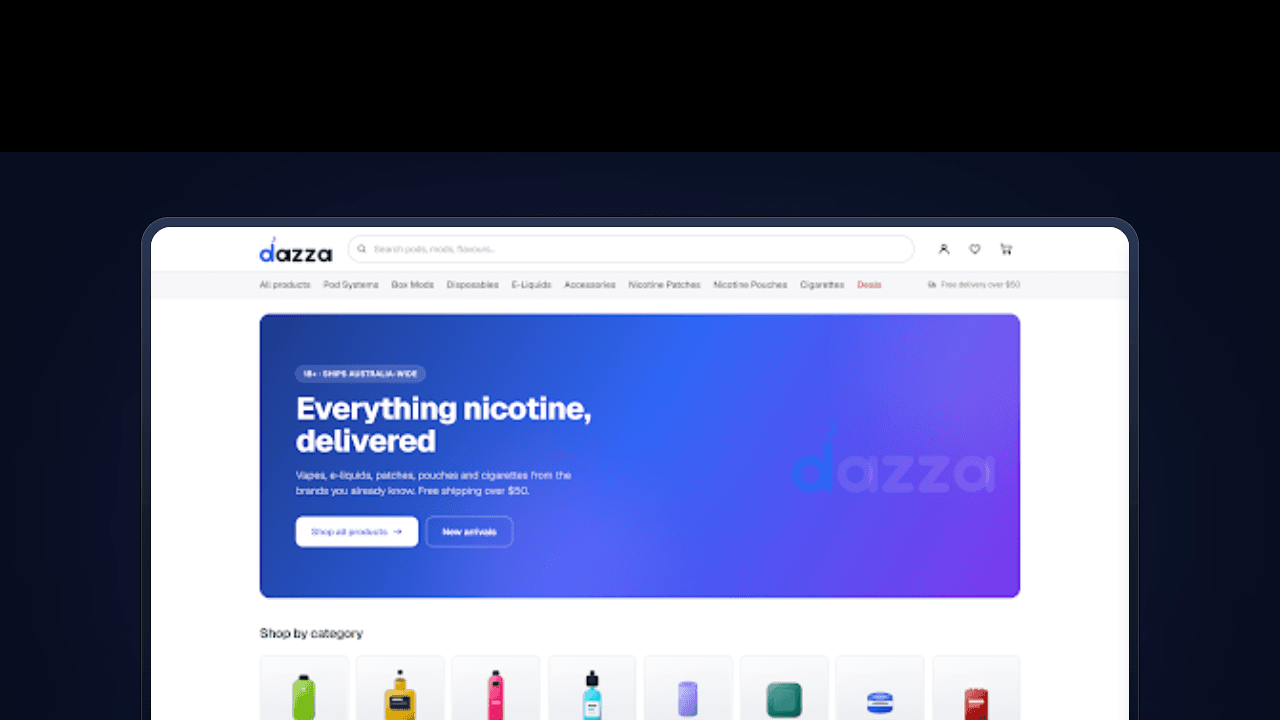
Archive · 15 screens · by expertise
All work


Expertise
What I build
- 01SaaS platformsMulti-tenant Next.js apps with Stripe subscriptions, billing and role-based access control.Next.js · React · PostgreSQL
- 02CRM & automationCustom CRM dashboards, lead tracking and Meta / Google API integrations.React · Node.js · Meta API
- 03AI integrationRAG pipelines, LLM features and agent workflows wired into real products.Python · FastAPI · OpenAI
- 04APIs & backendREST and GraphQL APIs, webhooks, background jobs and schema design.Node.js · Express · Python
- 05Web applicationsFast, SEO-ready React and Next.js apps: client portals, dashboards and consumer platforms.Next.js · React · TypeScript
- 06Mobile appsFlutter apps for iOS and Android from one codebase, from prototype to store launch.Flutter · Dart · Firebase
- Next.js
- React
- TypeScript
- Node.js
- Express
- Python
- FastAPI
- Django
- GraphQL
- Tailwind CSS
- Framer Motion
- GSAP
- Three.js
- Flutter
- Dart
- PostgreSQL
- Supabase
- Redis
- Firebase
- Stripe
- OpenAI
- Anthropic
- Gemini
- Ollama
- Vector DBs
- Meta API
- Google APIs
- Docker
- AWS
- Vercel
Research · Springer Nature · 2024
Conference paper
Optimizing American Sign Language Recognition with Binarized Neural Networks
A neural network that restricts weights and activations to +1 and −1, compared with standard CNNs for ASL recognition. Competitive accuracy at a fraction of the memory and compute, aimed at edge devices.
- Method
- Binarized neural network: weights and activations restricted to +1 and −1
- Task
- American Sign Language recognition
- Compared with
- Standard full-precision CNNs
- Built for
- Edge devices with tight memory and compute
- DOI
- 10.1007/978-3-032-11335-1_27
Blog · latest
Engineering notes
- Next.js Server Components: The 'Simplified' Lie We're All Falling For?3 min read→Next.js Server Components promise a simpler future, but are they truly simplifying development for everyone? This post explores the hot take that for many apps, the 'simplification' is actually adding complexity and cognitive load. Let's talk about choosing the right tools, not just the latest ones, in 2026 frontend development.
- From Database Dread to Deployment Delight: My Supabase Journey as an Indie Hacker5 min read→Launching full-stack SaaS as an indie hacker means grappling with databases. I've been there, staring at schema nightmares. Here's my hard-won story and how Supabase turned my database fears into deployment delight for side projects.
- Next.js: The Frontend King That Might Be Making Us Over-Engineer (My Hot Take)4 min read→Next.js promises a lot, but is its power a double-edged sword? We explore the love-hate relationship with modern frameworks, arguing that sometimes, simpler is better than over-engineering, even in 2026.
- AI Agents Are a Trap: Why I'm Still Writing Vanilla Code (and You Should Too)4 min read→AI agents promise to automate our engineering lives, but often deliver more complexity and burnout. Discover why relying on pure, vanilla code still makes more sense for many developers in 2026.


FAQ · 6 questions
Common questions
Something not covered here? Ask it in the brief.
Multi-tenant SaaS platforms, custom CRMs and marketing automation, AI integrations such as RAG pipelines, REST and GraphQL APIs, web applications and Flutter mobile apps, from the Postgres schema to the interface.
Contact
Send thebrief.
Scope, current stack and a deadline is enough to start. The form goes straight to my inbox.